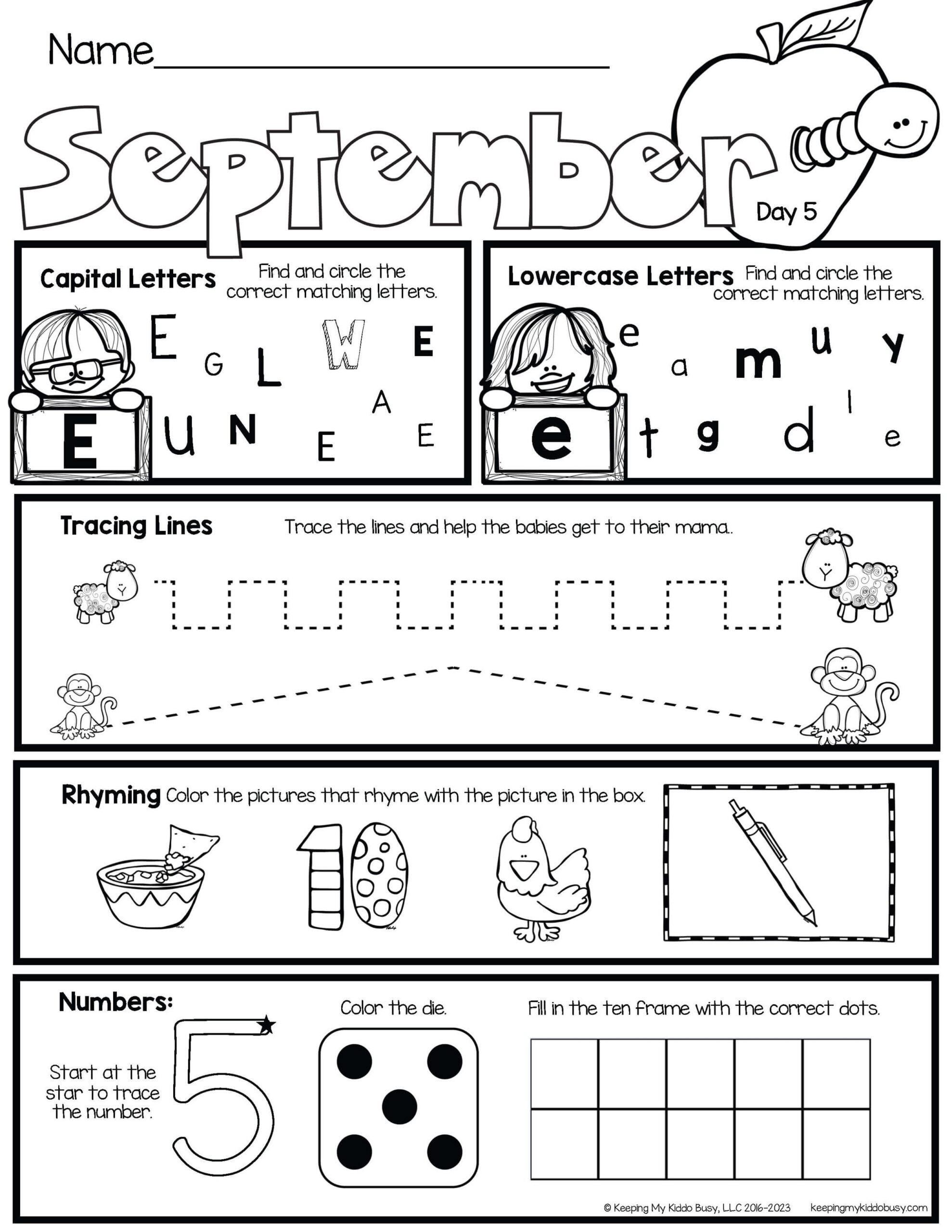
Structured activities provided to young learners at the start of the school day are commonly referred to as early learning exercises. These exercises can include literacy tasks like letter recognition, sight word practice, and simple sentence construction. Numeracy skills might be reinforced through counting objects, number recognition, and basic pattern identification. Hands-on activities such as puzzles, coloring, or sorting objects can also be integrated. For instance, a student might match uppercase and lowercase letters, complete a number sequence puzzle, or sort colored blocks by shape.
These opening activities serve several crucial purposes. They establish a consistent routine, fostering a sense of predictability and classroom management. Such exercises offer opportunities to review and reinforce previously learned concepts while promoting independent learning and problem-solving skills. Early learners develop essential pre-academic skills, preparing them for more complex tasks later in the day and throughout their academic journey. Historically, these activities might have been simpler, focusing primarily on rote memorization and basic skills. Modern approaches tend to emphasize hands-on engagement and critical thinking, reflecting evolving educational philosophies.
This understanding of the role and structure of these early learning activities provides a solid foundation for exploring specific implementation strategies, curriculum development, and classroom management techniques.
1. Skill Development
Skill development forms the core purpose of thoughtfully designed early learning exercises. These activities provide targeted practice in foundational areas, preparing students for more advanced learning. By incorporating specific skill-building opportunities, educators can ensure these initial tasks contribute meaningfully to long-term academic growth.
-
Literacy Development
Literacy development encompasses a range of skills, from letter recognition and phonics to basic reading comprehension. Morning activities might include matching letter sounds to pictures, practicing sight words, or sequencing pictures to retell a story. These exercises build foundational literacy skills essential for reading fluency and comprehension. For example, a student might match uppercase and lowercase letters, or complete a sentence with a missing sight word.
-
Numeracy Development
Numeracy development in early learners involves building number sense, counting skills, and basic arithmetic understanding. Activities like counting objects, completing number sequences, or simple addition and subtraction problems can reinforce these concepts. This early exposure to mathematical concepts provides a solid foundation for future math learning. For example, a student might count objects on a worksheet or complete a number line with missing numbers.
-
Fine Motor Skill Development
Fine motor skills are crucial for tasks requiring dexterity and hand-eye coordination. Activities incorporating coloring, cutting, tracing, and manipulating small objects can strengthen these skills. Improved fine motor control benefits not only handwriting and drawing but also other academic tasks. For example, a student might trace shapes or color within designated lines.
-
Problem-Solving Skills
While seemingly simple, many early learning exercises incorporate problem-solving elements. Puzzles, matching activities, and sorting tasks require students to analyze information and apply logical reasoning. These activities cultivate critical thinking skills applicable across various academic disciplines. For example, a student might complete a pattern puzzle or sort objects by color and shape.
These interwoven skill development areas, when strategically integrated into early learning exercises, establish a strong foundation for academic success. By focusing on these core skills, educators can effectively leverage the morning work period to foster holistic development in young learners.
2. Routine Establishment
Predictability and structure are essential for young learners. A well-established morning routine provides a sense of order and stability, creating a conducive learning environment. Consistent early learning exercises contribute significantly to this structured start, fostering positive classroom management and student engagement. This predictable flow allows students to transition smoothly into the school day, reducing anxiety and promoting a sense of security.
-
Predictability and Reduced Anxiety
A consistent morning routine signals the start of the learning day, minimizing uncertainty and easing separation anxiety. Knowing what to expect upon arrival allows students to focus on the tasks at hand rather than adjusting to a new environment. This predictable structure reduces stress and fosters a sense of security, contributing to a positive classroom atmosphere. For example, a consistent start time, designated work areas, and familiar activity formats contribute to this predictability.
-
Classroom Management and Focus
Engaging students in structured activities immediately upon arrival minimizes disruptive behaviors and maximizes instructional time. Clear expectations regarding the completion of these exercises establish a productive work environment. This focused start sets the tone for the rest of the day, promoting attentiveness and reducing distractions. For instance, having materials readily available and clear instructions displayed encourages students to begin working promptly and independently.
-
Time Management and Efficiency
A structured morning routine allows teachers to efficiently manage administrative tasks, prepare for the day’s lessons, and address individual student needs. While students are engaged in independent activities, teachers can maximize their time, ensuring a smooth and productive start to the school day. This efficient use of time benefits both students and educators, creating a more organized and effective learning environment.
-
Transition to Learning and Engagement
Morning activities serve as a bridge between home and school, easing the transition into a learning mindset. These exercises gently re-engage students with academic concepts, preparing them for more challenging tasks later in the day. This gradual transition fosters a positive attitude towards learning and promotes active participation throughout the day. For instance, incorporating activities that connect to previous lessons or introduce new topics can create a seamless flow into the day’s curriculum.
These interconnected aspects of routine establishment demonstrate the significant role that well-structured morning activities play in creating a positive and productive learning environment. By fostering predictability, promoting classroom management, and easing the transition into learning, consistent early learning exercises contribute significantly to the overall success of the kindergarten day.
3. Independent Learning
Independent learning plays a crucial role in early childhood education, fostering self-reliance and preparing students for future academic challenges. Within the context of structured early learning activities, opportunities for independent work allow young learners to develop essential skills and build confidence in their abilities. This emphasis on autonomy provides a foundation for lifelong learning and academic success.
-
Self-Reliance and Confidence Building
Engaging in independent activities empowers young learners to take ownership of their learning. Successfully completing tasks without direct assistance builds confidence and fosters a sense of accomplishment. This early experience with self-directed learning encourages students to approach challenges with a proactive and positive mindset. For example, a student completing a puzzle independently or selecting and reading a book from a designated area demonstrates this growing self-reliance.
-
Skill Development and Application
Independent practice provides opportunities for students to apply newly acquired skills in a self-directed manner. This reinforces learning and allows educators to observe individual progress and identify areas requiring additional support. The ability to apply knowledge independently is a crucial skill for academic success. For instance, a student independently writing simple sentences or solving basic math problems demonstrates the practical application of learned concepts.
-
Time Management and Organizational Skills
Structured early learning activities often involve a designated timeframe for completion. This encourages young learners to develop basic time management skills and learn to prioritize tasks. Organizing materials and completing work within the allotted time fosters organizational skills essential for future academic success. For example, a student gathering necessary materials and completing a worksheet within the designated time demonstrates developing organizational and time management abilities.
-
Differentiated Instruction and Personalized Learning
Independent work allows for differentiated instruction, enabling educators to tailor activities to individual learning needs and paces. Students can work on tasks suited to their specific skill levels, promoting engagement and maximizing learning outcomes. This personalized approach ensures that all students benefit from the morning work period, regardless of their individual learning styles or paces. For example, providing a range of activity choices within a skill area allows students to select tasks that align with their current abilities and learning goals.
These interconnected facets of independent learning demonstrate the significance of incorporating self-directed activities into structured early learning exercises. By fostering self-reliance, reinforcing skill development, and promoting organizational skills, these activities contribute significantly to the overall educational experience and prepare young learners for future academic challenges. This focus on independent learning within the context of structured morning activities equips students with essential skills for lifelong learning and academic success.
4. Engaging Activities
Maintaining student interest and motivation is paramount for effective early learning. Engaging activities are crucial for capturing attention and fostering a positive learning environment during morning work. Well-designed activities promote active participation and maximize learning outcomes, ensuring that this initial period contributes meaningfully to the overall kindergarten experience. The connection between engaging activities and effective morning work is essential for creating a productive and enjoyable start to the school day.
-
Variety and Choice
Offering a variety of activities caters to diverse learning styles and preferences, maintaining student interest and preventing boredom. Choice empowers learners and promotes a sense of ownership over their learning experience. Incorporating different activity formats, such as puzzles, games, hands-on manipulatives, and creative projects, ensures that morning work remains stimulating and caters to individual learning preferences. For example, providing options between a number puzzle, a letter-matching game, or a coloring activity related to a current thematic unit allows students to select an activity aligned with their interests and learning style.
-
Hands-on Learning and Exploration
Tactile and interactive activities provide opportunities for active learning, encouraging exploration and deeper engagement with concepts. Hands-on experiences, such as building with blocks, sorting objects, or creating art projects, solidify understanding and promote problem-solving skills. These activities cater to kinesthetic learners and provide a more concrete and memorable learning experience. For instance, a student might sort objects by color and shape, build a structure with blocks according to specific instructions, or create a picture using various art supplies to represent a story or concept.
-
Relevance and Meaningful Connections
Connecting activities to real-world experiences or current classroom themes increases relevance and meaning for young learners. When students perceive the purpose and value of their work, motivation and engagement increase. Integrating activities that relate to current thematic units, seasonal events, or students’ personal interests enhances the learning experience and fosters a deeper understanding of concepts. For example, during a unit on plants, students might engage in a seed-sorting activity or draw and label different parts of a plant.
-
Playful Learning and Gamification
Incorporating elements of play and gamification into morning activities transforms learning into an enjoyable experience. Game-based learning, interactive puzzles, and playful challenges motivate students and promote a positive association with academic concepts. This approach fosters a love of learning and encourages active participation, making morning work an exciting part of the school day. For instance, incorporating a simple board game that reinforces number recognition or a matching game that focuses on sight words adds an element of fun and competition while reinforcing essential skills.
These interconnected elements of engaging activities contribute significantly to the effectiveness of structured early learning exercises. By incorporating variety, hands-on learning, relevant connections, and playful elements, educators can create a morning work routine that captivates young learners, fosters a positive attitude toward learning, and maximizes the educational benefits of this crucial period. Engaging activities are essential for creating a dynamic and productive start to the kindergarten day, setting the stage for a successful learning experience.
5. Differentiated Instruction
Differentiated instruction is a crucial element of effective early learning exercises. Recognizing the diverse learning needs and paces within a kindergarten classroom requires providing varied learning experiences. Implementing differentiated instruction ensures that all students benefit from these activities, regardless of their current skill levels or learning styles. This tailored approach maximizes learning outcomes and fosters a supportive and inclusive classroom environment.
-
Varied Activity Levels
Offering different levels of difficulty within a single skill area allows students to work at their own pace and experience success. This might involve providing different worksheets with varying levels of complexity, offering different types of manipulatives for hands-on activities, or allowing students to choose between different activity formats. For example, within a numeracy activity, some students might work on counting objects up to ten, while others work on simple addition and subtraction problems. This tiered approach ensures that all students are appropriately challenged and engaged.
-
Choice and Autonomy
Providing choices within the morning work routine empowers students and increases motivation. Allowing students to select activities aligned with their interests and learning preferences fosters a sense of ownership and encourages active participation. Choice can be implemented by offering a selection of activities related to a specific skill or theme, allowing students to choose their preferred format for completing a task, or offering different learning centers with varied activities. For example, students might choose between completing a worksheet, working with manipulatives, or engaging in a digital learning activity, all focused on the same learning objective.
-
Flexible Grouping
Utilizing flexible grouping strategies allows educators to provide targeted instruction and support to specific student needs. Small group activities can focus on specific skill development or provide opportunities for peer learning and collaboration. Flexible grouping might involve grouping students by skill level, interest, or learning style, allowing for more personalized instruction and differentiated support. For example, students struggling with letter recognition might work in a small group with the teacher on targeted phonics activities, while other students work independently on reading comprehension exercises.
-
Individualized Support and Extensions
Differentiated instruction also involves providing individualized support and extensions based on student needs. This might include offering one-on-one assistance to struggling learners, providing additional challenges for advanced learners, or adapting activities to accommodate specific learning differences. Regularly monitoring student progress and adjusting instruction accordingly ensures that all students receive the appropriate level of support and challenge. For instance, a student who quickly completes a math worksheet might be offered a more challenging puzzle or problem-solving activity, while a student struggling with the same worksheet might receive one-on-one guidance from the teacher or a teaching assistant.
These interconnected components of differentiated instruction demonstrate its vital role in maximizing the effectiveness of structured early learning exercises. By providing varied activity levels, offering choice and autonomy, utilizing flexible grouping, and providing individualized support, educators can create a morning work routine that caters to the diverse learning needs of all students. This tailored approach ensures that every student benefits from these crucial early learning experiences, setting the stage for continued academic success.
Frequently Asked Questions
This section addresses common inquiries regarding the implementation and benefits of structured early learning activities in kindergarten classrooms.
Question 1: How much time should be allocated for these activities?
The recommended duration typically ranges from 15 to 30 minutes, depending on the specific activities and the overall classroom schedule. Shorter, focused sessions can be equally effective as longer periods, preventing student fatigue and maximizing engagement.
Question 2: What types of activities are most effective for literacy development?
Effective literacy activities include phonics practice, sight word recognition, simple sentence construction, and interactive reading exercises. Hands-on activities, such as manipulating letter tiles or matching pictures to words, can enhance engagement and reinforce learning.
Question 3: How can these activities be adapted for students with diverse learning needs?
Differentiated instruction is key. Offering various activity levels, providing choices, and utilizing flexible grouping strategies ensures all students are appropriately challenged and supported. Modifications can include adjusted task complexity, alternative response formats, and individualized support.
Question 4: What is the role of technology in these activities?
Technology can supplement traditional activities, providing interactive learning experiences and individualized practice. Educational apps, digital games, and interactive whiteboards can enhance engagement and offer opportunities for differentiated instruction. However, maintaining a balance between technology and hands-on activities is crucial.
Question 5: How can families support these learning experiences at home?
Consistent communication between educators and families ensures a cohesive learning experience. Providing families with resources and suggestions for at-home activities that reinforce classroom learning extends the learning beyond the school day. Simple activities like reading together, practicing sight words, and engaging in number games can significantly contribute to student progress.
Question 6: How can educators assess the effectiveness of these activities?
Regular observation, anecdotal notes, and simple assessments provide insights into student progress. Monitoring student engagement, work completion, and skill development helps educators tailor instruction and ensure the effectiveness of the morning work routine. Collecting student work samples and tracking progress on specific skills offers valuable data for ongoing assessment and instructional adjustments.
Structured early learning activities offer numerous benefits for kindergarten students. By addressing common concerns and implementing these practices effectively, educators can create a positive and productive learning environment that sets the stage for future academic success. A well-designed morning routine fosters essential skills, promotes independence, and establishes a positive learning trajectory for young learners.
For further exploration on specific implementation strategies and curriculum resources, consult the following sections.
Tips for Effective Early Learning Exercises
Optimizing the benefits of structured activities at the start of the kindergarten day requires careful planning and implementation. The following tips offer practical guidance for educators seeking to enhance their morning work routines.
Tip 1: Prioritize Skill Alignment: Ensure activities directly support current learning objectives and address specific skill gaps. A clear connection between these exercises and the broader curriculum reinforces learning and maximizes instructional time. For example, if the class is focusing on letter sounds, incorporate activities that reinforce phonics skills.
Tip 2: Embrace Variety and Choice: Offering a diverse range of activities caters to different learning styles and maintains student engagement. Choice empowers learners and fosters a sense of ownership. Rotating activity types prevents monotony and allows for exploration of different learning modalities. This might include puzzles, games, hands-on activities, and creative projects.
Tip 3: Establish Clear Expectations and Routines: Consistent procedures and well-defined expectations minimize disruptions and maximize productivity. Clear instructions, designated work areas, and established routines contribute to a smooth and efficient start to the day. Visual aids and timers can further support student understanding and time management.
Tip 4: Foster Independence and Problem-Solving: Design activities that encourage independent work and problem-solving. Providing opportunities for students to grapple with challenges and discover solutions builds confidence and critical thinking skills. Open-ended tasks and puzzles promote problem-solving and analytical thinking.
Tip 5: Integrate Hands-on and Interactive Elements: Tactile and interactive activities enhance engagement and deepen understanding. Manipulatives, building materials, and art supplies provide opportunities for hands-on learning and exploration. These experiences cater to kinesthetic learners and make learning more concrete.
Tip 6: Personalize and Differentiate Instruction: Recognizing the diverse needs of learners requires providing differentiated instruction. Offering various activity levels, incorporating choice, and utilizing flexible grouping strategies ensures all students are appropriately challenged and supported. Tailoring activities to individual needs maximizes learning outcomes.
Tip 7: Regularly Assess and Adjust: Ongoing observation and assessment provide valuable insights into student progress and the effectiveness of the morning work routine. Monitoring student engagement, work completion, and skill development informs instructional adjustments and ensures continuous improvement. Collecting work samples and tracking progress on specific skills offers valuable data for ongoing assessment.
Tip 8: Communicate and Collaborate with Families: Sharing information about the morning work routine and providing families with resources for supporting learning at home creates a cohesive learning experience. Regular communication strengthens the home-school connection and extends learning beyond the classroom.
Effective implementation of these strategies contributes significantly to a positive and productive learning environment. A well-structured start to the day lays the foundation for successful learning throughout the kindergarten year.
The following section provides a concluding perspective on the importance of structured early learning exercises and their impact on student success.
Conclusion
Structured kindergarten morning work demonstrably contributes to a positive and productive learning environment. From routine establishment and skill development to fostering independence and differentiated instruction, these early learning exercises offer numerous benefits for young learners. Engaging activities, aligned with curriculum objectives and tailored to individual needs, maximize learning outcomes and prepare students for future academic challenges. Effective implementation requires careful planning, ongoing assessment, and collaboration between educators and families. A well-structured start to the day provides a foundation for a successful kindergarten experience.
Continued exploration and refinement of early learning practices remain crucial for optimizing educational outcomes. Investing in high-quality, engaging activities and prioritizing differentiated instruction will further enhance the effectiveness of kindergarten morning work. The long-term impact of these early learning experiences underscores the importance of establishing a strong foundation for lifelong learning and academic success.